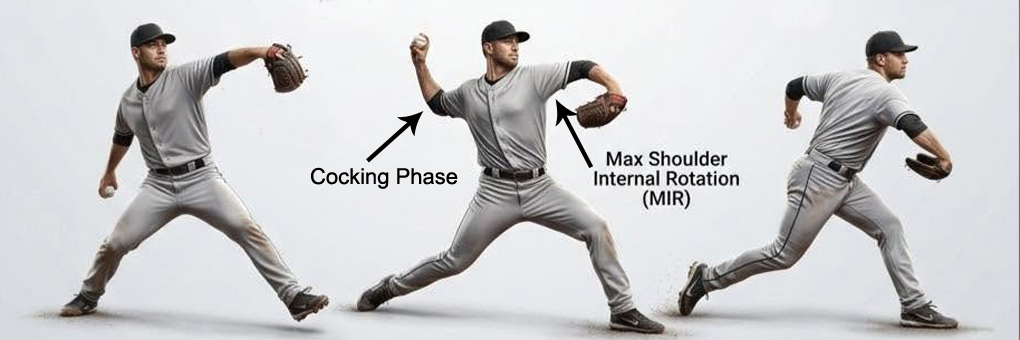
Inconsistent Throws or Arm Pain? Learn to Throw the Right Way!
Poor throwing mechanics could limit a youth player’s ability to reach the upper levels of play. High school coaches at the varsity level expect players to perform consistently, and at this competitive stage, arm strength, accuracy, and safe arm movements are essential.
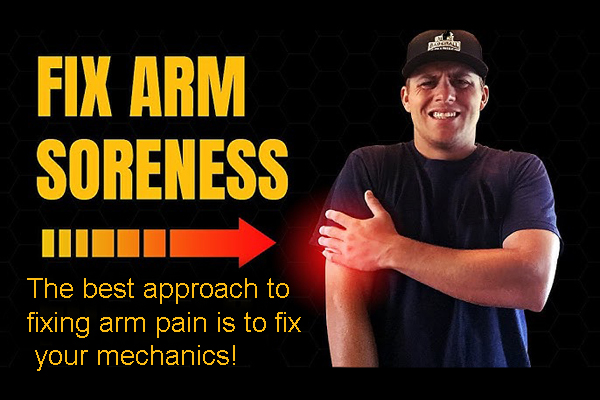
We strive to correct mechanical flaws using science-backed methods to increase the athlete’s potential on the field while decreasing the potential of shoulder or elbow injuries.
The Power of a Systematic Approach
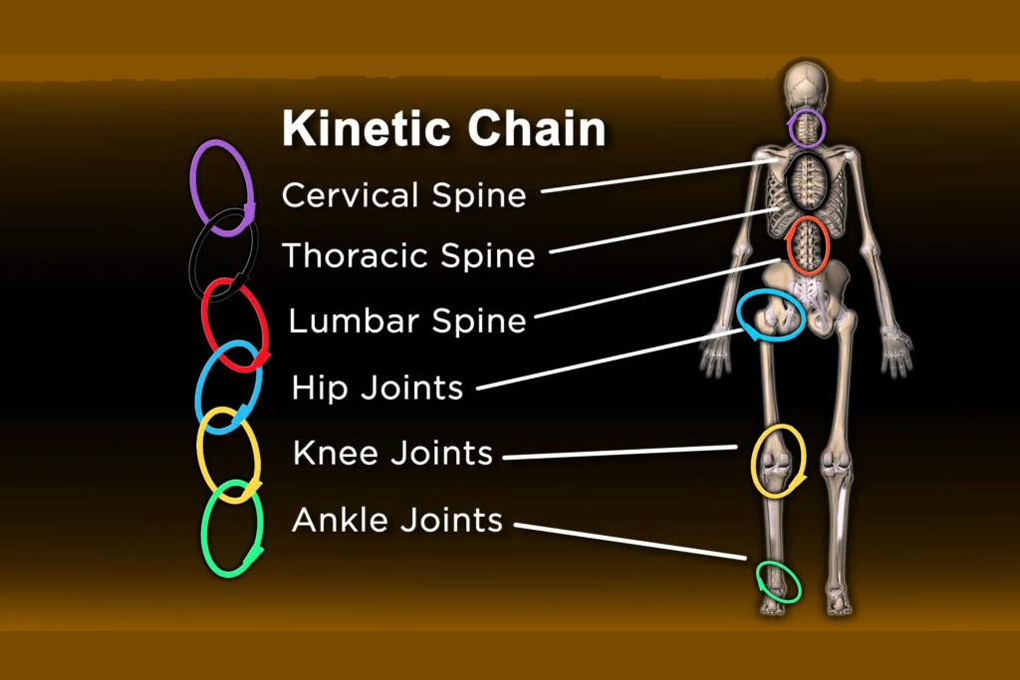
Proper training begins with the athlete becoming familiar with the kinetic chain and learning how to funnel energy from the lower body segments up to and through the arm. This systematic approach achieves higher ball speed and greater accuracy.
Transfer Torque through the Body
Transferring torque for powerful throws rely on the kinetic chain, and if torque transfer is disrupted it breaks the chain.
Terms such as hip to shoulder (pelvis to torso) separation, arm drag, and elbow drop are used in order to identify segmental mechanical flaws that cause the chain disruption that results in energy “leaks.” Energy leaks result in power loss by preventing force from traveling fluidly up the chain.
Lastly, sequential throwing drills are performed, typically sequencing backwards. Starting with the end of the throw with elbow extension and release of the ball, you’ll progress reversely through the various movements of the throwing motion, ending with hand and ball separation. Ball speed will be assessed periodically with a radar device to measure improvement.
Biomechanical Feedback: Eliminate Guessing on what to Fix
To obtain biomechanical feedback on your throw, you need to measure the kinetic chain, which is the sequential transfer of energy from your legs, core, and shoulders to your arm. This pinpoints weaknesses, optimizes velocity, and reduces injury risk.
High-Speed Video Analysis
The most accessible method to assess and correct weaknesses is two-dimensional video analysis. This is achieved by recording your throw using a recording device at 240 frames per second (fps). Each phase of the motion is analyzed for flawed movements, such as opening the shoulders too early or faulty arm position.
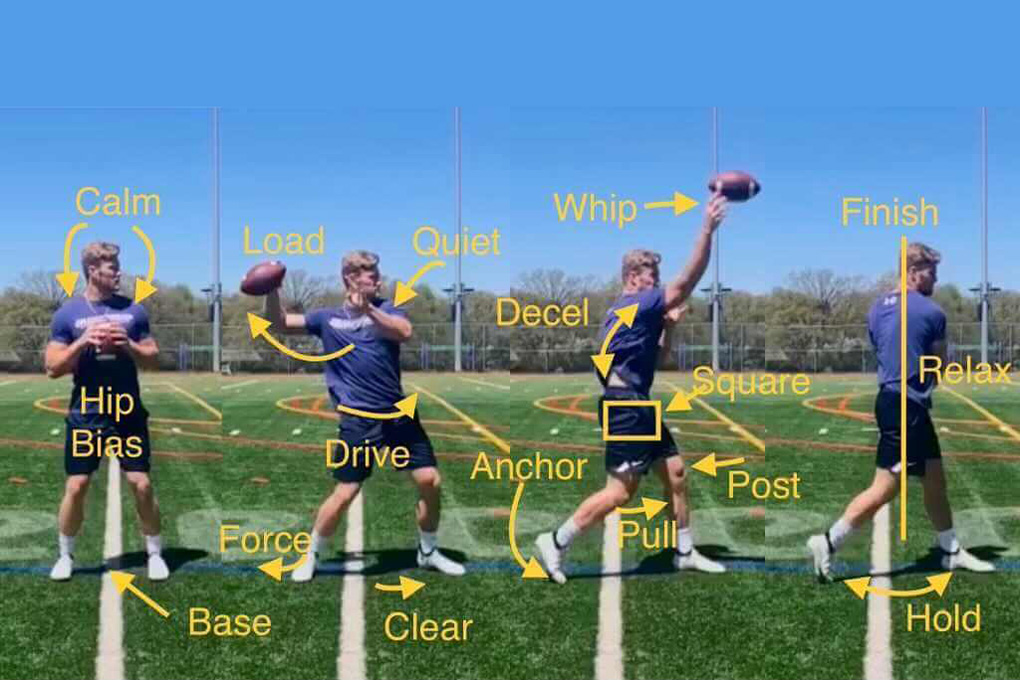
Mechanical Changes
Substantial mechanical changes can take 3 to 4 weeks of dedicated, focused repetition to ingrain in muscle memory. However, translating those new mechanics into consistent, in-game situations without thinking requires a longer period, often spanning several months.
Training Sessions
Lessons are generally scheduled for 45 minutes and can be arranged by calling directly or submitting an email. Facility locations vary in the College Station and Bryan area depending on availability.